

Freedom in the World
2026
The Growing Shadow of Autocracy


Global freedom declined for the 20th consecutive year in 2025. But even in this especially challenging moment, there are reasons for optimism.
Key Findings
Global freedom declined for the 20th consecutive year in 2025. A total of 54 countries experienced deterioration in their political rights and civil liberties during the year, while only 35 countries registered improvements. Guinea-Bissau, Tanzania, Burkina Faso, Madagascar, and El Salvador had the largest one-year score declines, while Syria, Sri Lanka, Bolivia, and Gabon recorded the largest gains. Three countries—Bolivia, Fiji, and Malawi—improved from Partly Free to Free status thanks to competitive elections, growing judicial independence, and the strengthening of the rule of law.
Among countries rated Free, the United States, Bulgaria, and Italy have experienced the year’s largest declines. In the United States, an escalation in both legislative dysfunction and executive dominance, growing pressure on people’s ability to engage in free expression, and the new administration’s moves to undermine anticorruption safeguards all contributed to the negative score change. The United States lost 3 points on the report’s 100-point scale, bringing its net decline since 2005 to 12 points, more than any other country rated Free during the same period except for Nauru and Bulgaria.
Although many rights and liberties have been diminished over the last two decades, media freedom, freedom of personal expression, and due process have suffered the heaviest impacts. Coups, armed conflicts, attacks on democratic institutions by elected leaders, and intensified repression by authoritarian regimes have been the main drivers of deterioration during this 20-year period.
Since 2005, the group of countries with Partly Free status has shrunk substantially. Nineteen Partly Free countries have dropped to Not Free, swelling the ranks of the world’s autocracies, which have become more repressive at home and more aggressive abroad. Democratic governments have long worked together to counter the spread of authoritarian rule. But in recent years, European countries have sharply reduced their funding for foreign democracy aid. And in 2025, the US administration abruptly canceled most foreign aid programs, began to disengage from international organizations, and refrained from condemning fraudulent elections—effectively abandoning long-standing principles of its foreign policy. As democracies move further away from their traditional role as defenders of freedom, the world could face a dangerous future led by emboldened autocrats.
Most democracies remain resilient in the face of daunting challenges. Despite internal pressures and threats from foreign powers, democracies continue to demonstrate that their domestic political systems are responsive and capable of course correction. Of the 87 countries rated Free in 2005, a total of 76—more than 85 percent—have remained Free throughout the two-decade period of global decline. Moreover, new democracies have repeatedly taken root under difficult circumstances, and aspirations for democracy routinely find popular support in even the most repressive environments.
The Year in Brief
Global freedom declined for the 20th consecutive year in 2025. A total of 54 countries experienced deterioration in their political rights and civil liberties, while only 35 countries registered improvements.
The largest declines in freedom for the calendar year were caused by military coups and efforts by incumbent leaders to crush peaceful dissent or change constitutional rules in their favor. Guinea-Bissau received the year’s single largest score change, losing 8 points on Freedom in the World’s 100-point scale after the November general elections were disrupted by a coup in which armed men stormed the election commission’s office and destroyed ballots. Military officers also ousted the elected government in Madagascar, bringing the total number of African countries to have experienced a coup since 2019 to nine. In Burkina Faso, which has been under military rule since a 2022 coup, the score declined by 5 points as state security forces and junta-sponsored militias engaged in mass killings and forced displacement of Fulani civilians, while Islamist insurgents attacked people of other faiths and imposed their own religious practices in areas under their control.
Tanzania registered the second most significant deterioration in rights and liberties in 2025, losing 7 points and sinking further into the Not Free category. The incumbent president, Samia Suluhu Hassan, was declared the winner of an election marred by the exclusion of opposition candidates, restrictions on the media, a campaign of forced disappearances of political opponents, and widespread violence against protesters that resulted in at least 1,000 deaths. El Salvador tied with Madagascar for the third largest decline in the world, losing 5 points. Salvadoran authorities persecuted high-profile academics who were critical of the government, threats against the media drove journalists into exile, and the government seized land without providing compensation. The Legislative Assembly, dominated by President Nayib Bukele’s Nuevas Ideas party, passed a constitutional reform that abolished presidential term limits and extended the terms from five to six years, clearing the way for Bukele to seek reelection indefinitely.
In Georgia, large-scale antigovernment protests that began in 2024 continued throughout 2025, even as demonstrators faced disproportionate force and ill-treatment from the police. Opponents of the ruling party, Georgian Dream, experienced physical assaults, harassment, and new legal restrictions aimed at hindering the participation of opposition parties and civil society in public affairs. The country’s score declined by 4 points. Serbia lost 3 points after authorities retaliated against teachers and professors who participated in widespread, student-led anticorruption protests by withholding pay and employment contracts. At the same time, police used excessive force against protesters and failed to protect them from armed gangs.
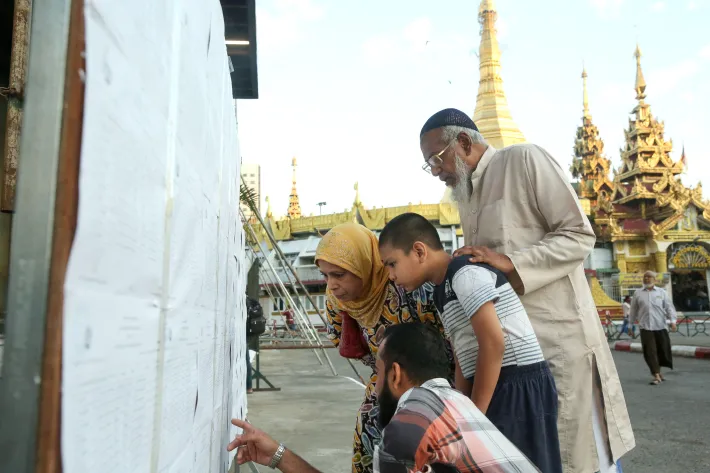
In the world’s worst-performing countries, where the scores on many indicators have already hit 0, armed conflict and authoritarian repression generated profound human rights violations. The ongoing conflict in Sudan between the regular Sudanese Armed Forces and the paramilitary Rapid Support Forces (RSF) has led to the deaths of thousands of civilians. Sudan’s score fell to just 1 out of 100 in the wake of mass killings, sexual violence, and forcible displacement of non-Arab civilians as the RSF seized control of the city of El Fasher. Myanmar’s score was reduced by 3 points—to just 4 out of 100—after the military junta, which has been fighting a brutal civil war against popular resistance forces and ethnic minority militias since it seized power in a 2021 coup, banned criticism of its tightly controlled election plans and imposed other restrictions on political participation ahead of the first round of voting in December. Conditions for freedom continued to deteriorate in Iran, with authorities arresting more than 21,000 people as part of a crackdown on alleged espionage and collaboration following the regime’s 12-day war with Israel in June. Security forces also expelled approximately 1.8 million Afghan migrants and refugees over the course of the year, including many who were born in Iran and thousands of unaccompanied children, without due process or protections for their basic rights. The campaign drove the country’s score down by 1 point to 10 out of 100.
The scores for Russia and China remained unchanged at 12 and 9 out of 100, respectively, but Moscow and Beijing took further steps to suppress perceived dissent. As the Kremlin continued its full-scale war of aggression against Ukraine for a fourth year, Russian authorities prosecuted a growing number of people at home for their antiwar speech and activism. In January 2025, two media outlets were designated as terrorist organizations for the first time. The Chinese Communist Party (CCP) continued to exert significant control over people’s political rights and civil liberties in China, prosecuting journalists, cracking down on small but multiplying protests, and constraining international travel. Activist and citizen journalist Zhang Zhan, for example, was sentenced to four years in prison in September after being released from another prison term the previous year.
Among countries rated Free, Bulgaria, Italy, and the United States registered the largest declines. Bulgaria lost 3 points amid continued fallout from 2024 parliamentary elections that were marred by vote buying and fraud. At the end of 2025, the coalition government brought to power through those elections was forced to resign in the face of mass protests against corruption. In Italy, the national government weakened anticorruption safeguards even as reports emerged of corruption among regional politicians. This development, along with state efforts to restrict the work of migration-focused nongovernmental organizations, led to a 2-point decline.
In the United States, the decline in freedom stemmed from a combination of long-term patterns and recent developments. There was an intensification of chronic partisan gridlock and dysfunction in Congress, including a funding impasse that culminated in the longest government shutdown in US history. The growing legislative paralysis was accompanied by a parallel escalation in the executive branch’s assertions of unilateral authority. Separately, a multiyear rise in threats and reprisals for political speech as well as government efforts to punish nonviolent expression by noncitizens produced a chilling effect on personal expression more broadly. The new presidential administration also disregarded conflicts of interest and weakened both anticorruption safeguards and enforcement practices. As a result of these factors, the country’s score declined by 3 points, for a net loss of 12 points over the last 20 years—more than any other country rated Free during the same period, except for Nauru and Bulgaria.
Despite the global negative trend, there were some positive developments in 2025. Three countries—Bolivia, Fiji, and Malawi—were upgraded from Partly Free to Free, entering that status for the first time in the last two decades. These status changes were driven by competitive national elections as well as growing judicial independence and strengthening of the rule of law. Sri Lanka continued to make gains after the 2024 presidential election, receiving a 5-point improvement as the new government worked to combat corruption and promote religious tolerance. Although both Syria and Gabon remained Not Free as they recovered from decades of dynastic authoritarian rule, their new leaders oversaw modest progress in the rebuilding of political institutions and the loosening of restrictions on basic rights, contributing to score increases of 5 and 4 points, respectively.
Understanding the Long Decline in Freedom
Three trends characterize the 20 consecutive years of decline in global freedom.
First, the group of Partly Free countries, where at least some democratic institutions coexist with weak protections for rights and liberties, shrank substantially. While nine of these countries improved and became Free over the 20-year period, 19 of them declined and became Not Free, swelling the ranks of autocracies.
Second, although the past 20 years were marked by many significant events—including the ousting of autocratic leaders in Bangladesh and Syria; mass prodemocracy movements in Bahrain, Belarus, Cuba, Hong Kong, and Iran; the reversal of democratic gains that followed the Arab Spring; and a global pandemic that spurred many arbitrary and violent restrictions on freedom of movement—four common factors drove the largest declines in freedom: armed conflicts, coups, erosion of democratic institutions, and crackdowns on rights by authoritarian leaders.
Finally, among the many political rights and civil liberties that were negatively affected by the events of the last two decades, the indicators pertaining to media freedom, freedom of personal expression, and due process declined the most. These fundamental freedoms came under significant pressure in both democracies and autocracies.
It is important to note that conditions for freedom dramatically changed not only within many countries, but also at the global level, as a growing number of authoritarian regimes banded together to undermine civil society groups, international institutions, and election monitoring in a campaign to make the world safer for autocracy. Although wealthy democracies like the United States and member states of the European Union (EU) had long battled against these efforts, many have now pivoted significantly away from their traditional activities, like foreign aid programs designed to uphold and advance political rights and civil liberties. The consequences of these changes will continue to reverberate worldwide.
Despite the overall deterioration in global freedom, however, democratic countries continued to demonstrate substantial resilience in the face of foreign and domestic challenges, and democratic forces in some of the world’s most repressive environments continued their struggle for a brighter future.
No longer Partly Free
More than 85 percent of the countries rated Free as of 2005 remained Free 20 years later, and 71 percent of those rated Not Free as of 2005 have remained Not Free. Yet fewer than half of the Partly Free countries as of 2005 have retained that status. Disproving predictions made in the early 2000s about global momentum toward political liberalization, Partly Free countries have in fact been far less likely to consolidate their democracies and much more likely to experience substantial deterioration in freedoms. Just nine countries—Bolivia, Colombia, Fiji, Guyana, Malawi, Seychelles, Solomon Islands, Timor-Leste, and Tonga—improved from Partly Free at some point in the last 20 years and remain Free today. Meanwhile, 19 countries moved in the opposite direction, falling from Partly Free to Not Free. Outside of armed conflicts and coups, these transformations were mostly driven by illiberal leaders who experimented with the tactics for eroding democracy that are increasingly being employed around the world.
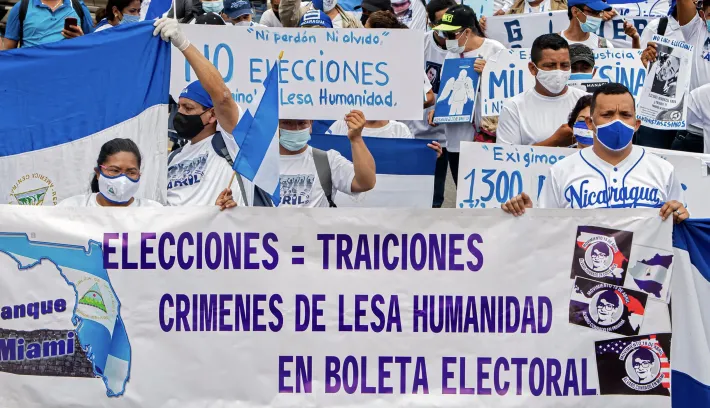
Nicaragua and Venezuela are illustrative cases of how a weak democracy can be distorted and remolded into an outright autocracy. In both settings, presidents who had won relatively competitive elections in the past went on to oversee dramatic deteriorations in political rights and civil liberties, bringing all branches of government and state institutions under their control and violently suppressing political dissent through arbitrary detentions, extrajudicial killings, and torture.
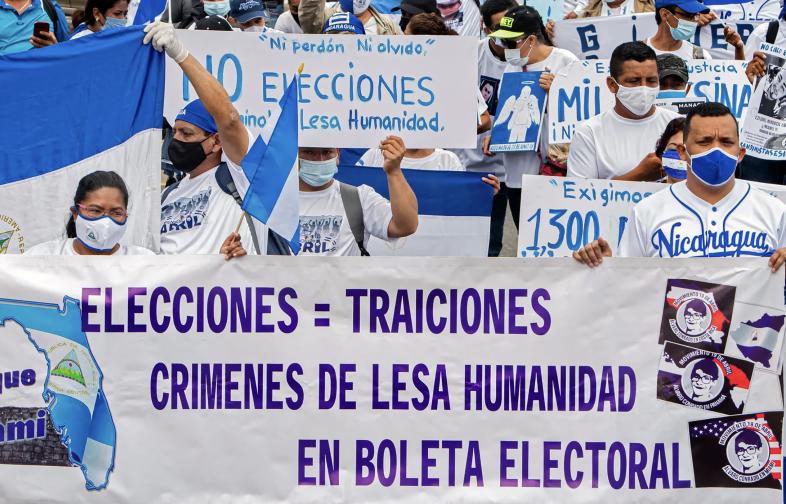
Nicaraguan President Daniel Ortega’s long push for autocratic power was punctuated by a bloody episode in 2018, when the army, police, and paramilitary groups quashed mass antigovernment protests that began in response to social security reforms, killing over 300 people and injuring more than 2,000. Since then, Ortega and his wife, now-Copresident Rosario Murillo, have further consolidated their rule with constitutional reforms that explicitly ended the separation of powers and crackdowns on independent media, civil society, and the political opposition. Many of the regime’s perceived foes have been arbitrarily detained, forced into exile, and stripped of their Nicaraguan citizenship in recent years.
Venezuela began its democratic decline before Nicolás Maduro took power in 2013, having dropped from Free to Partly Free in 1999 under his predecessor, President Hugo Chávez. The decline dramatically accelerated under Maduro, however, as the population similarly faced violent responses to numerous antigovernment protests, including attacks by state-affiliated armed groups and widespread detentions and prosecutions for expressions of dissent. A subservient judiciary, a legislature stripped of its constitutional functions, and a co-opted electoral council that facilitated a fraudulent presidential vote in 2024 all contributed to the deprivation of Venezuelans’ fundamental freedoms. Maduro himself was suddenly removed from power by US forces in early 2026, but it was not immediately clear how this might affect his regime or the country’s future trajectory.
Nicaragua and Venezuela were downgraded from Partly Free to Not Free in 2018 and 2016, respectively, losing 49 and 41 points over the last 20 years. Due largely to the illiberal rule of their leaders, the two countries experienced the second and third largest declines in Freedom in the World since 2005.
Drivers of the deterioration
While no single cause can explain the two-decade deterioration in global freedom, Freedom House data point to four factors that have presented the greatest threats to democracy and human rights: violence and armed conflict, coups d’état, erosion of democratic institutions, and escalating repression by autocrats.
Violence and armed conflict endanger people’s physical safety and destroy the foundations of a state. Military coups, which have been on the rise in recent years, typically start by upending all political institutions; in the long run, however, military rulers tend to expand their repression to reach broader sections of society, making a return to elected civilian government more difficult. The gradual erosion of democracy is less obvious and shocking than wars or coups, but tactics such as the manipulation of elections or the undermining of judicial independence are also extremely damaging to freedom. Even in existing autocracies, regimes must work constantly to suppress recurrent demands for basic rights and ride out the many crises associated with their own misrule, and these downward spirals have contributed significantly to the global decline of the past 20 years.
Violence and armed conflict
Violence and armed conflict directly jeopardize physical safety, but they also undermine many other fundamental freedoms, including freedom of movement and property rights. Women and members of ethnic and religious minority groups tend to be disproportionally affected by conflicts, and in some cases they are deliberately attacked. As conflicts drag on, they often spill across borders, attract foreign mercenaries or interventions, and make it extremely difficult for the country to create or rebuild democratic institutions.
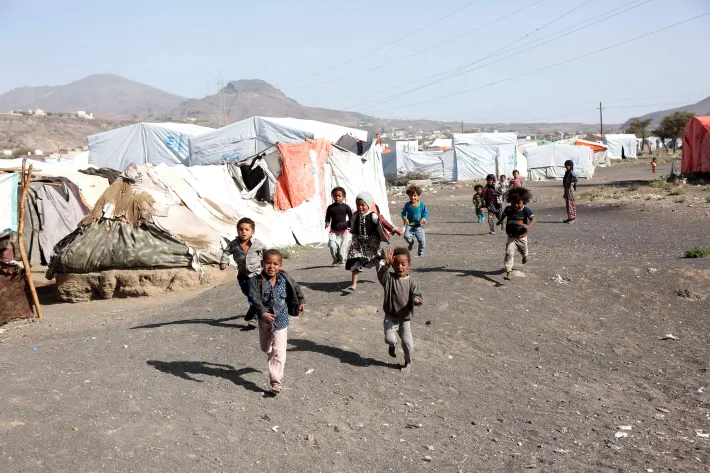
Violence and armed conflict have contributed to some of the largest score declines of the last 20 years, including in the Central African Republic (CAR), Ethiopia, and Ukraine. Yemen’s score has dropped by 21 points since 2005, with most of the deterioration occurring during a devastating civil war that began in 2015, after Iranian-backed Houthi rebels seized control of the capital. Saudi forces launched a military campaign against the Houthis to support Yemen’s internationally recognized government, which was led by a close ally of Saudi Arabia. Governance of the country has since been fractured between the warring parties, most state institutions have ceased to function, civilian political activity has been halted, and elections are long overdue.
While active fighting in Yemen had largely subsided in recent years, little progress has been made in peace negotiations, and recent clashes involving southern separatists backed by the United Arab Emirates threatened to plunge the country back into acute conflict. Even civil wars seldom remain confined to one country; fighting may become entangled with other regional conflicts, such as when the Houthis and the Israeli military exchanged missile and drone strikes during the war between Israel and Hamas that began in October 2023. More often, conflicts drive migration across borders as people seek safety from violence. Hundreds of thousands of people have fled Yemen, and in 2025 some 4.5 million people were still internally displaced as a result of the conflict.
(Photo by Mohammed Mohammed/Xinhua/Alamy Live News)
Decades of fighting between armed nonstate actors, foreign mercenary groups, and government forces in the CAR have led to chronic insecurity, persistent political instability, and serious rights abuses. The country descended into a brutal civil conflict in 2013 after the Séléka rebel group seized the capital and ousted the government. The conflict featured targeted violence against Muslim and Christian civilians by the respective warring parties, who ultimately took control of large swaths of the country and rendered the government powerless in the areas under their control. Women and girls were subjected to sexual violence by armed groups as well as UN peacekeepers. As a result, the country’s scores for political rights and civil liberties plummeted, and the CAR’s status changed from Partly Free to Not Free for the events of 2013.
In both Yemen and the CAR, the rebuilding of governing institutions has been severely hindered by the power and influence of foreign and nonstate actors as well as the central government’s lack of control over its own territory. While the 2016 election of President Faustin Archange Touadéra in the CAR helped the government regain control of the capital city, and the overall level of violence fell compared with 2013, most of the country was still subject to a fractured array of armed groups. The CAR has grown more authoritarian in recent years and remains one of the least free places in the world, scoring only 5 points out of 100 for 2025.
Military coups
Coups occur when the incumbent government or constitutional system is illegally overthrown and executive power is seized, often by a small group of military or political elites. When coup leaders use their unchecked power over the political system to entrench themselves through institutional changes, there can be long-term effects on a country’s ability to return to democratic governance.
After years of democratic progress in the late 1990s and early 2000s, a 2012 military coup in Mali resulted in the swift dismantling of the country’s democratic institutions and subsequent repression of civil liberties. The coup set Mali on a path of persistent crisis and conflict, and its status declined from Free to Not Free that year, swiftly bypassing the Partly Free category. Mali suffered two additional coups in 2020 and 2021, and since then the military has cemented its power by capturing state institutions and repeatedly postponing elections.
Freedom in Mali declined even further in 2025, when the military regime dissolved all political parties and enacted a law that effectively allowed its president to extend his term indefinitely. As a result of this long period of largely military rule, and the effects of complex armed insurgencies, the country has suffered the world’s single largest score decline over the last 20 years, dropping by a total of 53 points.
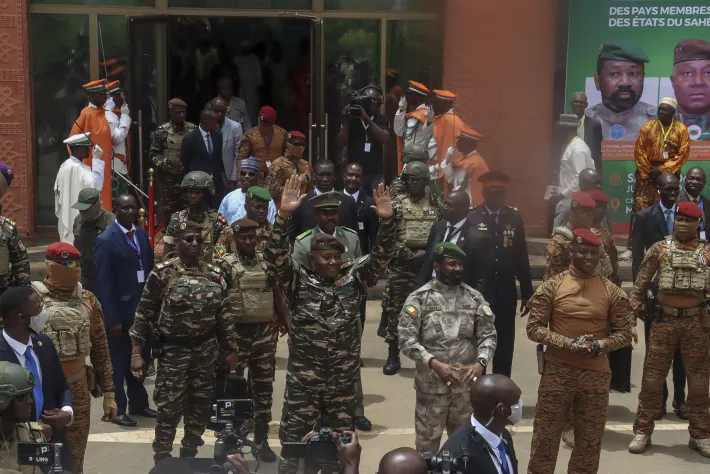
Mali provides just one example of the lasting damage done by military coups. Conditions in several countries, including Burkina Faso and Niger, continued to deteriorate in 2025 after a wave of military coups beginning in 2019 toppled governments across the Sahel and West Africa. In Burkina Faso, two back-to-back military coups in 2022 tore down the significant political reforms and development of democratic institutions that had been implemented after a transition from the longtime rule of President Blaise Compaoré in 2015. In Niger, which had experienced its first transfer of power between democratically elected presidents in 2020–21, the military toppled the civilian government in 2023.
In both countries, freedom continued to decline in the years following the coups, as the junta leaders acted unilaterally to consolidate power and used increasingly violent methods to suppress dissent. In Burkina Faso, the military regime postponed elections indefinitely, contributing to a 5-point decline in 2025. In Niger, the military dissolved all political parties during the year, effectively stamping out any remaining alternative to the junta’s rule and helping to drive the score down by 3 points.
The damage a military coup causes to a country’s institutions also leaves them more susceptible to future coups. Thailand has experienced over 20 coups or attempted coups since the country emerged from absolute monarchical rule in the 1930s, and like Mali, it has registered one of the world’s largest declines over the last two decades as a result of a military coup in 2014. While the country transitioned to a semielected government in 2019, its unelected authorities—including the military, the judiciary, and the monarchy—continue to exert decisive influence over political affairs. Myanmar has a similarly long history of military influence over politics, and its 2021 military coup not only derailed a struggling transition from military dictatorship to democracy, but also plunged the country into a renewed and expanded civil war.
Erosion of democratic institutions
Democratic institutions such as free and fair elections, independent legislatures and courts, and strong anticorruption agencies serve to facilitate public participation and representation, protect individual rights, and place checks on those in power. The erosion of these features of democracy, while typically gradual, can effectively exacerbate authoritarian rule in already Not Free countries and undermine the remaining safeguards in Partly Free countries, as demonstrated by the experiences of six countries, including Ethiopia and Kyrgyzstan, that have declined from Partly Free to Not Free due to manipulated elections since 2005.
Elections are a defining component of democracy, but incumbent leaders around the world are manipulating the contests to extend their own power. In Not Free countries, governments work to make elections lopsided by harassing, disqualifying, or jailing opposition candidates and parties. In Egypt’s 2025 parliamentary elections, for example, the National Elections Authority eliminated all but President Abdel-Fattah al-Sisi’s National Unified List for Egypt from the party-list portion of the ballot, giving voters no real choice. In Tajikistan, the authoritarian regime of President Emomali Rahmon, who has held power since 1992, stripped legal registration from the main opposition party and harassed, imprisoned, and in some cases killed party members and their relatives before an election in 2015. This repression has continued in the years since, and today there is little space for meaningful competition in Tajikistan’s elections. The country’s score for 2025 was just 5 out of 100, compared with 30 as of 2005.
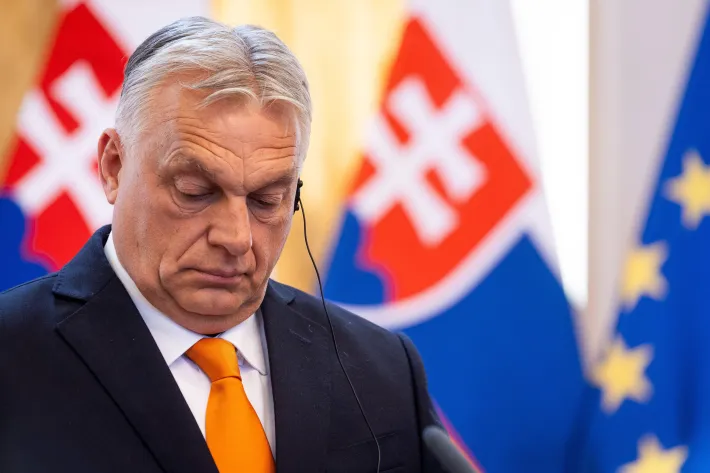
In democracies, illiberal leaders rely on more nuanced tactics than imprisoning or banning the opposition. Gerrymandering and malapportionment of legislative districts give the appearance of full political participation in elections while ensuring that certain parts of the population cannot influence the outcome. Hungarian Prime Minister Viktor Orbán and his Fidesz party took this approach ahead of the 2014 parliamentary elections. Gerrymandering of new constituencies and disproportionate vote allocation to Fidesz supporters helped cement Orbán’s grip on power, and the ruling party’s supermajority in the parliament allowed it to push through legal and constitutional changes that undermined Hungary’s independent institutions and ultimately set the country on a sustained path of democratic decline.
Vote buying and intimidation not only sway election outcomes but can mark the first steps toward greater electoral manipulation. Georgia’s 2018 presidential election, for example, while peaceful, was marred by credible reports of illegal campaign donations, vote buying, and intimidation by powerful political elites. Just days before the runoff vote in November, a charitable foundation controlled by Bidzina Ivanishvili, the richest man in Georgia and the founder of the ruling Georgian Dream party, promised to write off the debts of over 600,000 Georgian voters. Since then, the country’s elections have suffered from more extensive problems, including the abuse of state resources, physical intimidation at polling places, violence, boycotts by political parties, and threats to ballot secrecy.
A growing number of elected leaders have sought to undermine other branches of government, like the judiciary and the legislature, because they provide critical checks on the executive. Since his election in 2019, President Nayib Bukele of El Salvador has governed under a state of emergency, arrested and persecuted individuals who challenge his administration’s human rights abuses, and eliminated the independence of other state institutions, contributing to the world’s eighth largest score decline over the last 20 years. During his first years in office, the Supreme Court frequently ruled against the president, and he often responded by defying its orders. In 2021, however, Bukele used his enlarged majority in the legislature to replace all members of the court’s Constitutional Chamber as well as the attorney general with government loyalists. The new panel of judges quickly set aside a constitutional ban on presidential reelection, allowing Bukele to run again in 2024. In 2025, the legislature rubber-stamped a constitutional amendment that removed presidential term limits entirely, further aiding the incumbent’s consolidation of power.
Because independent auditing organizations are often the first to raise the alarm about executive overreach, illiberal leaders have found ways to pressure and discredit them. In 2024, the Mexican Congress approved a constitutional reform that eliminated the National Institute for Transparency, Access to Information, and Personal Data Protection (INAI), and no similar body has since been established to replace it. The reform has effectively resulted in less transparency, and the loss of integrated access-to-information systems has made it harder for journalists to hold the government accountable for its performance. This was one of a series of changes to Mexico’s institutions that year, including sweeping judicial reforms that replaced the appointment system for judges with direct judicial elections, which limits the courts’ independence by subjecting judges to partisan oversight and making it harder for them to issue rulings against the government.
Authoritarian repression
During the last two decades, the rulers of established autocracies have not simply dismantled institutional checks on their rule. They have taken the additional step of converting the structures and resources of the state into weapons with which to attack their opponents and critics. In settings where institutional guardrails have already been weakened or eliminated, there is nothing to prevent autocrats from using the security forces and the courts as tools of repression.
Since 2005, Azerbaijan has experienced a steady consolidation of authoritarian rule centered on President Ilham Aliyev and his extended family. After succeeding his father as president in 2003, Aliyev pushed through constitutional changes that expanded presidential authority, removed term limits, and weakened any remaining legislative or judicial autonomy. In the absence of an independent judiciary or even independent media, corruption has continued to proliferate, and the Aliyev family has treated public assets as a source of private wealth.
Authoritarian regimes like that in Azerbaijan can leverage the full weight of state institutions, abuse state resources, and rely on corrupt patronage networks to maintain their political dominance. The Aliyevs have used the state oil company as a vehicle for political and economic largesse, awarding lucrative contracts and senior company positions to businesses and individuals who are loyal to the regime. In return, during elections, the recipients of this patronage pressure employees to support the ruling party by attending political rallies and participating in other public displays of fealty. Furthermore, public funds are used to finance progovernment media that boost the regime’s image while smearing any opposition.
When patronage and propaganda prove insufficient to silence dissent, autocrats use their control over the security forces and criminal justice system to engage in blunter forms of repression. Although Azerbaijan has retained its Not Free status since 2002, it has dropped from a score of 33 to just 6 out of 100 over the last two decades, as authorities have intensified their crackdown on civil liberties. Journalists, human rights activists, and members of the political opposition face arbitrary arrest and prosecution on trumped-up criminal charges, and they are denied basic due process during unfair trial proceedings. Legal amendments adopted in 2018 stipulated that only lawyers from the Azerbaijani Bar Association, which acts on the orders of the Ministry of Justice, could represent clients in court, and nearly all independent human rights lawyers in the country have been disbarred or suspended.
In the worst cases, autocrats have used the military and security services to violently crush citizens’ attempts to exercise their rights. In 2020, Belarus’s deeply authoritarian government was confronted with mass demonstrations against the fraudulent reelection of President Alyaksandr Lukashenka. Security forces employed disproportionate and lethal violence to break up the protests, with officers arresting, beating, or firing at Belarusian and foreign journalists who attempted to cover the events. More than 32,000 people were detained, and there were reports of detainees facing assaults, torture, and other human rights abuses. Ultimately, scores of prodemocracy leaders and activists were expelled from the country for their involvement in the protests, and many others have been forced into exile since then. The violent crackdown led to an 8-point decline in Belarus’s score for 2020, and after further declines it is now just 7 out of 100.
Fundamental Freedoms Under Pressure
The past two decades of democratic deterioration have affected a broad range of political rights and civil liberties, but three fundamental freedoms—media freedom, freedom of personal expression, and due process of law—have sustained the most damage during this period. Although autocrats have certainly gutted these freedoms in their countries, they have not been the only culprits. Governments ranging from dictatorships to democracies have adopted tactics including heavy-handed media regulation, overt censorship, digital surveillance, and political prosecution to chip away at each of these important rights. The result has been reduced accountability for corruption and abuse of power, a less informed and engaged public, limited debate on major issues and policies, and fewer protections against arbitrary infringements on individual liberty.
Attacks on media freedom
Broad freedom for independent media ensures that governments are held accountable for their performance and allows for transparent, diverse, and critical reporting. However, authorities have employed a variety of tactics to restrict media freedom. In more democratic settings, illiberal leaders tend to exert undue political, regulatory, or economic influence over the media sector, and subject journalists and news outlets to legal harassment. Dramatic, wholesale attacks are relatively rare; instead, media freedom is weakened through a series of escalatory maneuvers.
A common first step in undermining independent journalism is to increase control over public media or the regulation of private media. Further escalation can involve more frequent legal harassment, such as strategic lawsuits against public participation (SLAPPs); the withholding of publicly allocated funds; and the redirection of advertising revenue away from critical news outlets. At this point, government allies may begin to buy up media outlets and skew their coverage. In media landscapes that become dominated by state-funded or government-aligned outlets, the authorities could seek to suspend the licenses or intimidate the journalists of the remaining independent news sources.
In more autocratic states, where media freedom has already experienced significant deterioration or has historically been restricted, the government often engages in extralegal harassment or more explicit and comprehensive censorship, leading to further authoritarian entrenchment. For example, the CCP had long exerted significant control over China’s media landscape when party leader and state president Xi Jinping took power in 2012–13, but censorship efforts have since intensified as he consolidated authority to an unprecedented degree, with increasingly tight and technologically sophisticated restrictions on the internet and online content. This trend caused China’s score for media freedom to drop to 0 out of 4 in 2018.
Rwanda’s media freedom score likewise declined to the lowest possible level in 2010. That year, as the ruling party was working to ensure incumbent President Paul Kagame’s reelection, the government suspended about 30 news outlets and arrested two journalists for allegedly insulting Kagame and denying the 1994 genocide, which are common allegations used by Rwandan authorities to prosecute political opponents and dissidents. The editors of two prominent newspapers fled the country due to death threats, and one of their colleagues was assassinated.
Shrinking space for personal expression
Freedom of personal expression facilitates open discussion on sensitive or contentious topics, creating a marketplace of ideas in which crucial policies can be debated and democracy in general can flourish. While the rise of the internet and other information technologies has fueled innovative prodemocracy activism over the last 20 years, illiberal and authoritarian governments have increasingly responded with digital surveillance and prosecutions for online speech. Constraints on offline speech continue to be imposed as well.
During the last two decades, digital surveillance has more frequently resulted in heavier restrictions on personal expression. Such declines have tended to cluster in weaker democracies. In Serbia, which has faced democratic backsliding under President Aleksandar Vučić and the Serbian Progressive Party, police and intelligence services have reportedly deployed a variety of spyware products to surveil journalists, civil society actors, and protest organizers. For example, at least dozens and perhaps hundreds of personal devices have been targeted with a unique spyware tool referred to as NoviSpy, but the exact number is unknown given that authorities have installed it secretly during arrests, detentions, and police interviews. Such actions have contributed to Serbia’s overall score decline in Freedom in the World in recent years, as awareness of unchecked state surveillance motivates self-censorship among ordinary citizens.
Extensive offline surveillance—and the risk of physical repercussions—has driven some countries to the worst possible score for personal expression. In Burundi, for example, the score for this indicator declined to 0 out of 4 due to events ahead of a 2018 constitutional referendum that would lengthen presidential terms. The national intelligence services engaged in heightened surveillance, while a ruling party militia checked citizens’ voter registration status and reportedly assaulted people who spoke against the referendum in public spaces.
In just the last five years, prosecution of offline and online speech has grown increasingly common in authoritarian states, further hindering public and private discussion and deepening overall repression in environments that were already heavily constrained. Between 2020 and 2025, six countries—Belarus, Iran, Nicaragua, Russia, Tajikistan, and Venezuela—dropped to the lowest possible score for freedom of personal expression due to large-scale arrests for or prosecution of critical speech. Combined with measures such as social media monitoring, the use of civilian informants, and the application of new laws with harsher penalties, such extensive enforcement practices have created a chilling effect throughout society.
Minimal due process rights
Due process is a key component of the rule of law, ensuring that no one is deprived of their liberty or property arbitrarily, without a fair hearing before an impartial tribunal and ample opportunity for appeal. The rights of defendants and detainees have suffered amid the broader assault on global freedom, and two key tactics have become prominent over the past 20 years. The first is increased government control over courts, prosecutors, and police. The second is the use of criminal cases to sideline political dissidents at moments when the ruling power faces significant pressure.
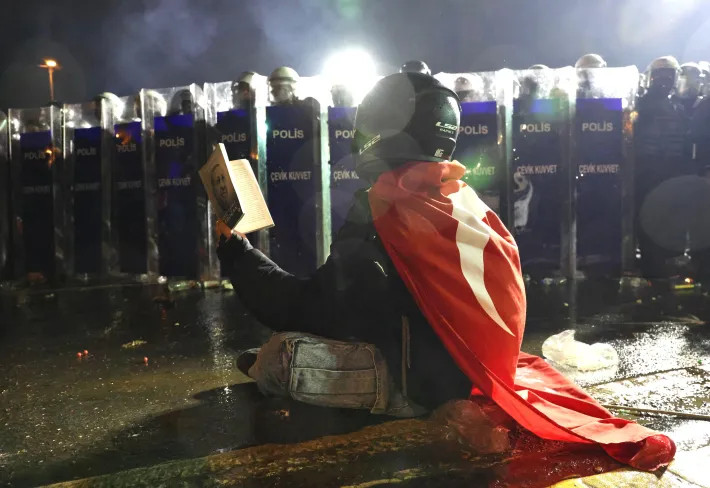
Political control over the justice system and police forces, including interference in individual cases, tends to increase in backsliding democracies and nascent authoritarian regimes. In Turkey, for example, where Recep Tayyip Erdoğan and his Justice and Development Party have gradually consolidated power and repressed dissent since taking office in 2002, a 2010 constitutional referendum cleared the way for an overhaul of the judiciary. In 2014, the government began to reassign thousands of police officers, judges, and prosecutors. Following a coup attempt two years later, due process rights deteriorated further, as the authorities brought a surge of new charges based on flimsy evidence or secret testimony, with defendants often held in lengthy pretrial detention. Since then, the imprisonment of political opponents, independent journalists, and activists has become routine, and Turkey has the worst possible score for the right to due process. In March 2025, Istanbul Mayor Ekrem İmamoğlu, who was widely seen as Erdoğan’s main political challenger, was arrested and placed in pretrial detention based on a raft of dubious charges. He faced up to 2,000 years in prison, and given the politicization of the judiciary, was unlikely to receive a fair trial.
Authorities tend to step up their persecution of political dissidents when those in power feel especially vulnerable. Due process rights in Hong Kong deteriorated in 2017 when the Court of Appeal, at the behest of the government, handed down heavier penalties to protesters involved in the 2014 Umbrella Movement, which called for greater democracy and self-determination for the territory. Separately, police filed new charges against some of the movement’s organizers. The score pertaining to due process rights dropped further after Beijing imposed the National Security Law on Hong Kong in 2020, as a response to fresh prodemocracy protests in 2019. Among other problematic provisions, the law allowed for closed trials and for cases to be adjudicated in mainland China.

Twenty Years Later: A Shift Among Democracies
The 20 consecutive years of decline in global freedom have been a boon for the world’s autocracies, which have swelled in number and hardened their repression. In 2005, 45 countries were rated Not Free; today that number is 59. Within their borders, this growing cohort of authoritarian rulers has tried to eradicate ethnic and religious minority groups; eliminate political opponents, prodemocracy activists, and independent media; and unleash corruption. They have also increasingly threatened and disregarded the sovereignty of other countries. Through collaboration and influence, autocrats have tried to reshape the post–World War II international order that was created under US leadership to secure peace, protect rights, and ensure accountability. They have attacked or undermined civil society groups, journalists, international and regional organizations, and independent election observers because they see these actors and institutions as obstacles to kleptocracy and the unrestrained application of power.
Although democracies’ foreign policy practices have not always matched their rhetoric, the world’s democratic governments have tried for decades to resist the autocratic assault by supporting human rights defenders and independent journalists, working together through multilateral organizations, and calling out rigged elections. But recently, democracies have begun to pivot from these priorities. While remaining deeply dedicated to multilateralism, European governments have substantially reduced funding for Overseas Development Assistance (ODA), moving away from long-standing commitments to support global civil society. In the United States, 2025 was a transformative year for foreign policy, as the new presidential administration suddenly cut funding for foreign assistance and international organizations, decided to end US commentary on the fairness of foreign elections, threatened the sovereignty of allies, and engaged in legally ambiguous unilateral military actions abroad.
Addressing complex problems like authoritarian collaboration, armed conflict, transnational crime, terrorism, and humanitarian crises requires principled leadership by democracies, adequate funding for frontline defenders of freedom, and cooperative solutions that raise the costs of repression and strengthen adherence to the norms of sovereignty and human rights. The experience of the post–Cold War era demonstrates that when democracies work together, they are far more likely to achieve security, prosperity, and freedom for themselves and others. But in a world where the most powerful and prosperous democracies no longer view themselves as defenders and promoters of universal rights and freedoms, autocrats will continue to gain ground, spreading violence and repression wherever they advance.
Shrinking support for civil society and independent media
Authoritarians have targeted civil society groups and independent media for persecution because of their unique ability to shed light on human rights abuses and corruption. Russian authorities pioneered an ever-expanding web of laws that restrict the ability of civil society organizations to receive funding from abroad, to function independently, and to pursue accountability. Over time, similar laws mushroomed across the world, as more autocratic regimes—from Central Asia to Africa and the Americas—used the “foreign agent” label to discredit and defund civil society groups. Autocrats have also applied such laws to independent media, while subjecting individual journalists to physical violence, detention, and threats that force many to seek safety in exile.
For decades, democracies have systematically included support for human rights defenders and journalists in their annual foreign aid budgets, reflecting a shared view that such actors are crucial partners in the global struggle to uphold fundamental freedoms and democratic standards. However, last year marked a significant shift in approach in both the United States and Europe.
Until 2025, the United States was the single largest bilateral foreign assistance donor in the world, supporting civil society groups, independent media, anticorruption mechanisms, education, peacebuilding, health and nutrition, and humanitarian relief. Much of this work was implemented by the US Agency for International Development (USAID) and the Department of State. Following a January 2025 executive order, USAID was shuttered; the State Department’s Bureau of Democracy, Human Rights, and Labor was substantially downsized and moved into a newly created Office of the Coordinator for Foreign Assistance and Humanitarian Affairs; and approximately $80.5 billion in aid previously administered by the two entities was canceled. The administration also issued an executive order directing the closure of the US Agency for Global Media, which oversees Voice of America as well as Radio Free Europe/Radio Liberty and Radio Free Asia as grantees. These dramatic changes were made rapidly and outside the legislative process, meaning they lacked prior congressional approval. The impact of the aid cuts was immediate and devastating, affecting thousands of groups working in at least 129 countries.
The United States was not alone in its decision to reduce support for foreign aid. At the start of 2025, many other democracies were already in the process of shrinking their foreign commitments. The EU and its member states together were, until recently, the world’s leading ODA donors, but they have substantially reduced their support over the last three years. In 2024, for example, the Netherlands’ new coalition government announced plans to steadily cut ODA funding over the next three years. Since 2023, Germany has reduced its humanitarian and development budgets by more than €3.5 billion ($4.1 billion). Some of the most drastic cuts were in the United Kingdom, where Prime Minister Keir Starmer announced in 2025 that the government would reduce spending on international aid by 40 percent, bringing it to its lowest level in 25 years.
In place of the previous systems of support, the United States and other democracies have begun to offer a different vision for foreign aid, with much less direct funding and an emphasis on a narrower set of health and economic programs. Reductions in funding have already harmed and will continue to diminish the capacity of human rights defenders to hold governments to account, and of independent media to deliver much-needed, accurate information into and from closed environments. The overall damage to freedom is unlikely to be contained within the borders of repressive states. Those living in democracies could feel the effects as emboldened autocrats seek to stifle basic rights, accelerate kleptocracy, and spread violence.
Undermining international organizations
Authoritarian leaders have often balked at any interference from international and regional organizations tasked with upholding democracy and human rights, and they have tried to influence and distort these organizations to suit their political goals. At the United Nations, member states of the so-called Like-Minded Group—which includes Belarus, China, Iran, Myanmar, Russia, Venezuela, and Zimbabwe, among others—have collaborated to restrict the ability of human rights defenders and independent civil society activists to participate in official hearings and events, prevented the Security Council and the General Assembly from adopting country-specific resolutions about human rights violations, and coordinated to fill vacancies on the Human Rights Council. Beijing and Moscow have also tried to block or cut funding to the Office of the High Commissioner for Human Rights and the Human Rights Council.
Authoritarians are promoting their own agendas at regional organizations as well. Examples include the Turkish government’s effort to block Sweden’s bid to join the North Atlantic Treaty Organization (NATO) as a means of pressuring Stockholm to collaborate in Ankara’s campaign of transnational repression, or the Hungarian government’s attempts at the EU to oppose Ukraine’s accession and any spending in support of Ukraine’s defense against Moscow’s war of aggression. In Africa, the military juntas in Mali, Niger, and Burkina Faso have not only withdrawn from the Economic Community of West African States but also formed a new Alliance of Sahel States, which was implicated in supporting the attempted coup in Benin late last year.
The new US administration is also deeply skeptical of international and regional organizations, going well beyond previous administrations’ periodic critiques. During his address to the UN General Assembly in September 2025, President Donald Trump painted the United Nations as an obstacle rather than a forum for addressing global challenges. The administration’s National Security Strategy stated that some international institutions were driven by “outright anti-Americanism,” echoing the president’s own highly critical comments about the EU. These statements have been supported by concrete actions, including US withdrawal from multiple UN bodies, a sharp reduction in payments to the United Nations, and parallel pressure on the Organization for Security and Co-operation in Europe (OSCE) and the International Criminal Court to alter their mandates or practices.
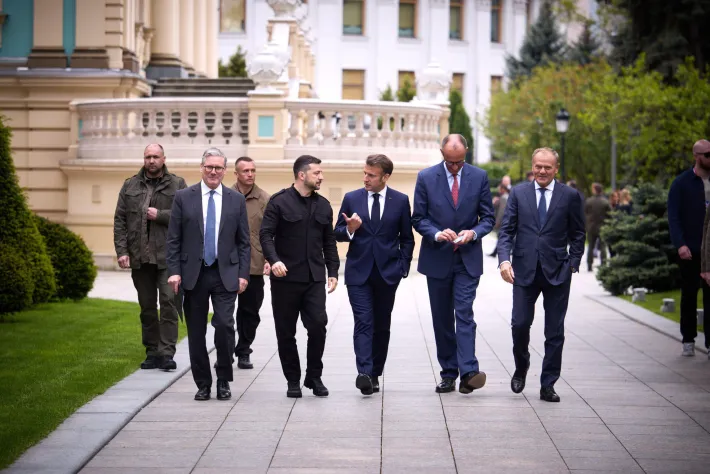
International and regional organizations have often been criticized for the size of their bureaucracies, the disproportionate influence they offer to certain countries, and their inability to address complex global problems. Nevertheless, these forums remain crucial spaces for multilateral action, including coordinated responses to humanitarian crises, conflict mitigation, and accountability for human rights violations. Without the active support and confidence of the United States and other democracies, they could be entirely dominated by autocrats or struggle to perform peacebuilding and lifesaving functions. In the end, the weakness of international and regional organizations will only serve the interests of the world’s autocracies.
Disrupting election integrity
Elections are an essential feature of democracy. Unlike the dictatorships of the Cold War era, most modern authoritarian states hold regular if tightly controlled elections. To validate these sham contests among international and domestic audiences, they rely on so-called zombie monitors: pliant groups of international election observers that either praise or avoid criticizing obviously flawed elections. Zombie election monitors, sent by groups such as the Moscow-based Commonwealth of Independent States and the Shanghai Cooperation Organization, challenge or dilute negative assessments made by reputable international observers, like those deployed by the OSCE and the Organization of American States, among others. Researchers have documented a significant rise in the presence of zombie monitors over the last two decades. These compromised observers help to prop up autocrats’ narratives about their legitimacy and popularity and contribute to the endurance of their regimes.
To dispel any confusion about the unfairness of such elections, the United States, under both Republican and Democratic administrations, has long joined other democratic governments in routinely calling out examples of electoral manipulation and its corrosive effects. But a US State Department directive issued in July 2025 sharply curtailed this practice, asking American diplomats to instead focus on congratulating the winner and noting shared foreign policy interests. The US government also substantially revised the content of its annual Country Reports on Human Rights Practices, and eliminated, among other sections, Section 3 of the reports, which documented problems with political participation, such as election irregularities, restrictions on political parties, and limits on women’s political involvement. In November, despite clear indications that the planned December–January elections organized by the military junta in Myanmar would be deeply flawed—including the exclusion and disbanding of political parties, widespread surveillance and intimidation of voters, and the ongoing detention of thousands of perceived political opponents—the US government cited the announcement of the vote as one piece of evidence for why Myanmar nationals currently taking refuge in the United States were now safe to return to the war-torn country.
Abandoning the established practice of calling out electoral fraud in an era of manipulated elections and proliferating zombie observers could have the effect of isolating brave democratic opposition groups as they work to unseat autocrats through the political process. Even if some democracies have imperfect records of their own when it comes to elections, it is crucial for the entire community of free societies to maintain collective pressure in support of fair and competitive balloting. Their silence would create a void that autocrats would quickly fill, blurring any distinction between real and rigged votes, and diluting the world’s basic understanding of democracy.

Democracy and Freedom Will Endure
It may be tempting to surrender to a pessimistic outlook when faced with the 20th consecutive year of decline in global freedom and a retreat by the world’s democracies from their traditional role as defenders of fundamental rights. But even in this especially challenging moment, there are reasons for optimism. Democracies are durable systems, uniquely capable of self-correction, and they can take root and develop under extremely difficult conditions, so long as there are people and organizations to protect them.
The global tally of consolidated democracies—countries where political rights and civil liberties have largely been secured—has grown substantially over the last 50 years. Today, 88 of the world’s 195 countries are rated Free. That is more than double the number of Free countries in 1973, when Freedom in the World was first published and there was a total of 149 countries. Even during the last 20 years, democracies have proven remarkably stable. Seventy-six countries that were rated Free in 2005 remained Free in 2025. The average aggregate score of Free countries has also been stable during this period, declining by just 2 percent, while the average aggregate score of Not Free countries has plummeted by nearly 23 percent.
Democracies are resilient for a number of reasons. They perform better economically than their authoritarian counterparts, which makes them less prone to political breakdowns and the onset of violence. Democratic institutions are also better able than dictatorships to accommodate societal differences and policy disagreements, because they both safeguard individual rights, ensuring that members of minority groups are protected, and facilitate the peaceful transfer of power between rival forces, guaranteeing that political defeats are only temporary. Perhaps most importantly, while dictatorships breed resistance, research has shown that democracies nurture widespread commitment to their procedural norms, creating an environment in which the longer a democracy persists, the fewer actors who want to overturn the system remain.
In addition to being durable once established, democracies can be founded and built despite the global deterioration in freedom. Bhutan, for example, has successfully transitioned from absolute monarchy to full-fledged democracy, achieving the single largest score improvement over the last 20 years and becoming the only country in that period to move through all three categories, from Not Free and Partly Free to Free. Similarly, Fiji and Malawi have held several successful elections and peaceful transfers of power, earning improvements from Partly Free to Free in 2025. In Senegal, civil society, young people, and an independent court came together to push back on a president’s attempt to postpone elections and exclude political opponents, which led that country to recover from Partly Free to Free in 2024.
While positive stories of countries successfully rebuilding their institutions after years of conflict are few and far between, lessons can be learned from Liberia, which suffered two consecutive civil wars that ended in 2003. It is one of the 52 countries that have seen an overall improvement in their scores over the last 20 years, having made considerable progress in restoring government capacity, reestablishing the rule of law, and ensuring citizens’ political rights and civil liberties in the postwar period. Perhaps nowhere will these lessons be more relevant in 2026 than in Syria, where citizens and a transitional government face profound challenges in erecting a democratic system after more than half a century of dictatorship. The civil war that began in 2011 has devastated public institutions and infrastructure, while sectarian polarization and ongoing violence further complicate efforts to create credible transitional justice mechanisms and introduce the rule of law.
Democratic principles and freedoms are widely appealing and will always inspire advocates and champions. Despite increasing pressure from the government, independent media in Hungary have been able to survive by making use of digital tools, collaborations and partnerships, and innovative funding strategies. Serbian civil society groups are educating people on the ramifications of spyware and offering practical guidance on digital security and data protection. Even in China, citizens have continued to find ways to publish independent reporting and express dissent. As the CCP intensified its censorship in recent years, journalists, activists, and internet users explored new methods for uncovering state abuses, accessing information, and commenting on sensitive topics even at considerable risk to their own safety. In the third quarter of 2025 alone, Freedom House’s China Dissent Monitor registered nearly 1,400 protests and other acts of dissent, a 45 percent increase over the same period in 2024, and the sixth straight quarter of year-on-year increases.
The desire for freedom is inexhaustible. Democracies are stable and successful precisely because they address this and other fundamental needs, and people who have experienced dictatorship will continue their attempts to raise up new democracies, no matter how daunting the circumstances. But authoritarian regimes are still on the march around the world, and only the combined efforts of human rights defenders, civil society organizations, and democratic governments can hasten the day when all people are able to live in freedom.
Test Your Knowledge
Now that you've explored the findings, see how well you followed the trends shaping global freedom.
Explore the Report

Policy Recommendations
Policymakers, practitioners, and partners must come together to strengthen democratic coordination and collective action in a contested global order, reimagine international democracy assistance, and prioritize engagement with younger generations.

Explore the Map
Explore the interactive Freedom in the World 2026 map here, where you can see country scores, Freedom Status, and trends.

About the Report
Freedom in the World is Freedom House’s flagship annual report, assessing the condition of political rights and civil liberties around the world. It is composed of numerical ratings and supporting descriptive texts for 195 countries and 13 territories. Freedom in the World has been published since 1973, allowing Freedom House to track global trends in freedom for more than 50 years.
